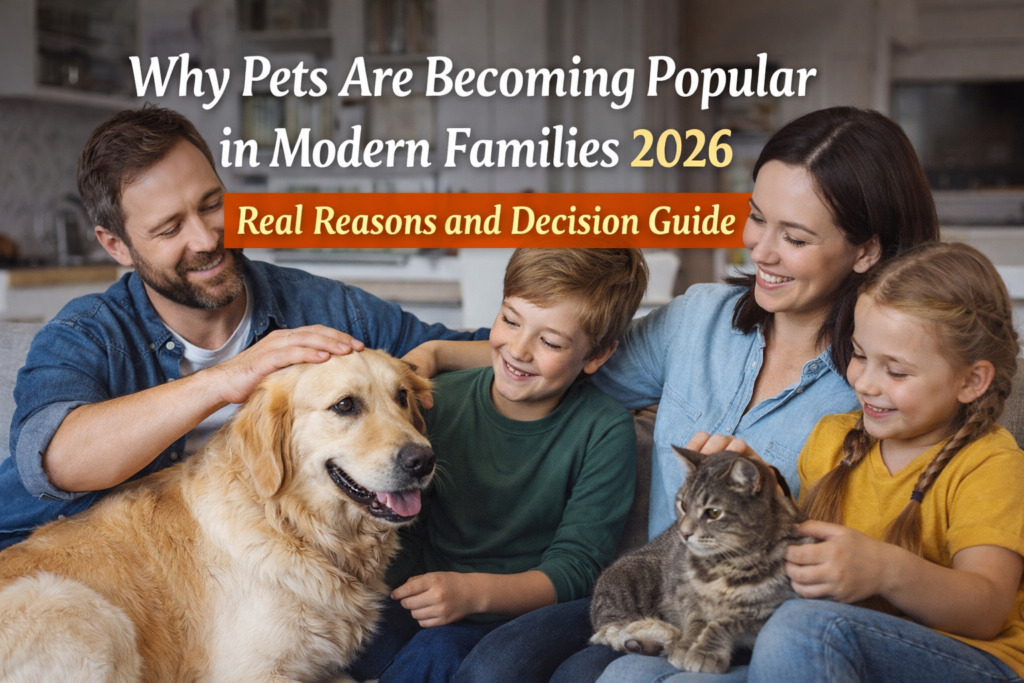
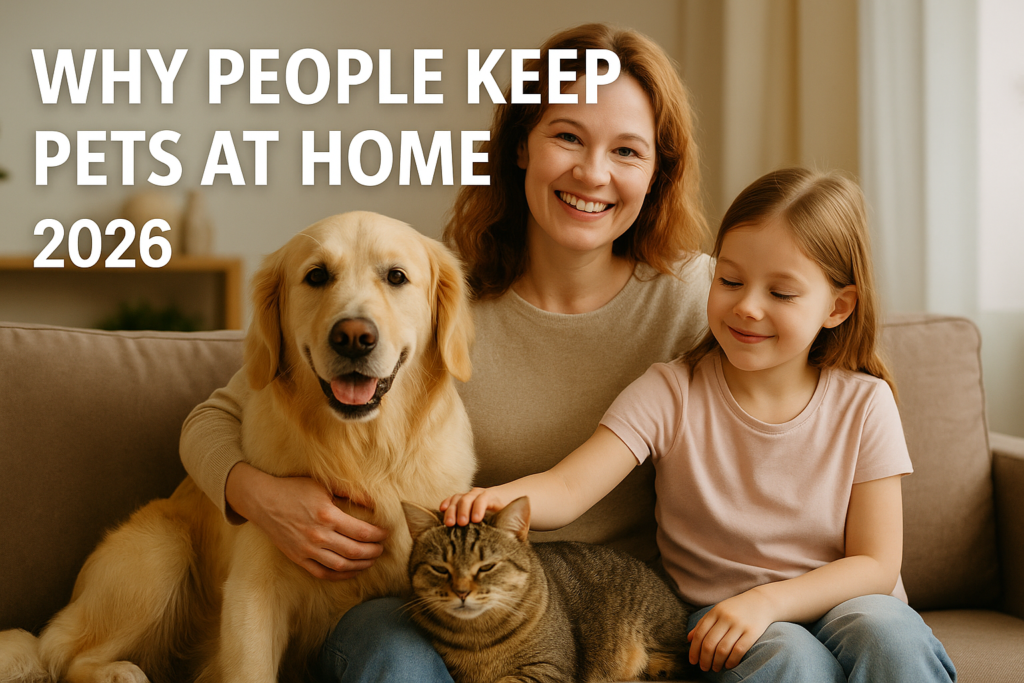
In 2026, more people around the world are choosing to keep pets at home than ever before.
The reasons are not limited to fun or companionship. Pets now play an important role in emotional well-being, family life, and daily routine.
This article explains why people keep pets at home, using simple language and real-life reasons that anyone can understand.
Table of Contents
What Does It Mean to Keep Pets at Home?
Keeping pets at home means:
- Living with animals as part of daily life
- Sharing space, time, and care
- Building emotional connection over time
Pets are no longer seen only as animals. For many people, they are companions, comfort providers, and family members.
Quick Overview: Main Reasons People Keep Pets at Home
This table gives a fast understanding before going deeper.
| Reason | Why It Matters | Common Pets |
|---|---|---|
| Companionship | Reduces loneliness | Dogs, cats |
| Emotional comfort | Helps manage stress | Cats, rabbits |
| Family bonding | Creates shared responsibility | Dogs, birds |
| Routine and discipline | Adds structure to daily life | Dogs |
| Joy and positivity | Improves mood naturally | All pets |
Companionship: The Most Common Reason
One of the strongest reasons people keep pets at home is companionship.
Pets:
- Stay with people during quiet moments
- Respond with affection or presence
- Reduce feelings of isolation
In modern homes, especially where people live alone or in small families, pets provide a sense of togetherness.
Emotional Support and Mental Well-Being
In 2026, awareness about mental health has increased. Many people keep pets because they help with:
- Stress reduction
- Anxiety relief
- Emotional balance
- Feeling needed and valued
Spending time with pets often brings calmness without words, which many people find comforting.

Pets Help Create a Daily Routine
Pets need:
- Feeding at fixed times
- Cleaning and care
- Regular attention
This naturally creates a healthy routine for the owner.
For many people, pets help them:
- Wake up on time
- Stay active
- Maintain consistency in daily life
Routine improves both physical and mental health.
Why Families Keep Pets at Home
Families often keep pets because they:
- Teach children responsibility
- Encourage empathy and kindness
- Bring family members together
Children who grow up with pets often learn:
- How to care for others
- How to respect living beings
- How to handle emotions gently
Pets become a shared emotional connection in the household.
Pets as Stress Relievers in Modern Life
Modern life in 2026 is fast and demanding. Pets help slow things down.
People often feel relaxed when:
- Watching a pet sleep
- Playing briefly after work
- Simply sitting near their pet
This natural stress relief is one reason pets remain popular across all age groups.
Why People Choose Different Pets for Different Lifestyles
Not everyone keeps the same type of pet. Choices depend on lifestyle.
| Lifestyle Situation | Reason for Keeping Pets | Suitable Pet Types |
|---|---|---|
| Living alone | Need for companionship | Cat, dog |
| Busy work schedule | Emotional comfort at home | Cat, fish |
| Family with children | Learning and bonding | Dog, bird |
| Small apartments | Limited space | Rabbit, guinea pig |
| Older adults | Companionship and routine | Calm dog, cat |
Emotional Connection: More Than Just Ownership
People keep pets at home because the bond feels real and mutual.
Pets:
- Recognize voices
- Respond to emotions
- Show excitement or calm presence
This emotional connection often feels pure and unconditional, which many people value deeply.
Pets Help Reduce Screen Dependency
In 2026, screen time is high for all age groups. Pets encourage:
- Physical movement
- Real-world interaction
- Breaks from digital devices
Walking a dog or playing with a pet naturally pulls people away from screens.
Social and Cultural Reasons
In many cultures, keeping pets is linked to:
- Tradition
- Community identity
- Emotional expression
Pets often become conversation starters and help people connect with others socially.
Responsibility and Life Skills
Keeping pets teaches:
- Patience
- Consistency
- Long-term commitment
People who keep pets often develop stronger care habits and emotional awareness.
Common Misunderstandings About Keeping Pets
- Pets are only for fun → Pets require responsibility
- Pets fix loneliness instantly → Bonding takes time
- Small pets need no care → All pets need attention
Understanding these points helps people make better decisions.
Things to Think About Before Keeping Pets at Home
Before keeping a pet, people should consider:
- Time availability
- Financial responsibility
- Living space
- Long-term commitment
Keeping pets is rewarding, but it is also a responsibility.
More Articles You May Like