

Choosing a pet for home is no longer a simple decision. In 2026, people live in smaller homes, work longer hours, and care deeply about emotional wellbeing, safety, and responsibility. The best pet for home is not the cutest one—it is the one that fits your space, time, lifestyle, and family structure.
This guide explains which pets are best for home in 2026, why they suit modern living, and what every family should consider before bringing a pet home.
| Pet Type | Best For | Main Advantage | Daily Care Level | Home Suitability (2026) |
|---|---|---|---|---|
| Dogs | Active families, houses | Loyal, emotionally supportive | High | Good (with time & space) |
| Cats | Apartments, working people | Independent, calm indoors | Medium | Excellent |
| Fish | Small homes, elders | Very low stress, peaceful | Low | Excellent |
| Birds | Homes with daily presence | Interactive, intelligent | Medium | Good |
| Rabbits | Quiet, calm households | Gentle, silent companion | Medium | Good |
| Hamsters / Guinea Pigs | Beginners, older children | Easy starter pets | Low | Good |
| Turtles / Tortoises | Patient, informed owners | Very calm, long lifespan | Low–Medium | Limited (needs setup) |
How “Best Pets for Home” Has Changed in 2026
In the past, people chose pets mainly for companionship. Today, home pets must adapt to:
- Apartment living
- Noise restrictions
- Limited outdoor space
- Children and elderly family members
- Busy work schedules
- Mental health awareness
- Animal welfare responsibility
The best pets in 2026 are those that stay healthy, calm, and comfortable indoors with proper care.
Important Questions to Ask Before Choosing a Pet
Before looking at specific animals, answer these honestly:
- How many hours per day can I give attention?
- Do I live in an apartment or independent house?
- Are there children or elderly people at home?
- Can I manage cleaning daily?
- Am I ready for long-term responsibility (5–15 years)?
- Can I afford basic care, food, and health needs?
Your answers decide the right pet more than trends.
Dogs — Best for Active Homes With Time and Space
Dogs remain one of the most loved home pets in 2026, but they are not suitable for every household.
Why dogs are good home pets
- Strong emotional bonding
- Loyal and protective
- Good for families with children
- Encourage physical activity
- Improve emotional wellbeing
Challenges
- Daily walks needed
- Training is essential
- Separation anxiety is common
- Space and routine required
Best dog types for home in 2026
- Calm, small-to-medium breeds
- Older adopted dogs
- Low-energy companion dogs
Dogs are best for homes where time and routine are stable.
Cats — One of the Best Pets for Home in 2026
Cats are among the most suitable home pets for modern living.
Why cats are ideal for homes
- Comfortable indoors
- Independent yet affectionate
- No daily walks required
- Suitable for apartments
- Quiet and clean by nature
Things to consider
- Litter box cleaning is essential
- Scratching behavior needs management
- Some cats prefer calm environments
Cats suit working professionals, apartments, and smaller families very well.
Fish — Best Low-Maintenance Home Pets
Fish are becoming popular again in 2026 due to stress-free care.
Why fish are good home pets
- Very low noise
- Minimal daily interaction needed
- Calming to watch
- Ideal for small homes
- Suitable for elders and children
Limitations
- Tank maintenance is important
- Not interactive like mammals
Fish are best for people who want peaceful companionship without physical handling.
Birds — Best for Interactive Indoor Companionship
Birds are excellent home pets when owners enjoy interaction and sound.
Why birds suit homes
- Intelligent and social
- Can recognize owners
- Small space required
- Colorful and engaging
Challenges
- Noise levels
- Daily cage cleaning
- Need mental stimulation
Birds are best for homes where people are present during the day.
Rabbits — Quiet and Gentle Home Pets
Rabbits are increasingly chosen as home pets in 2026.
Why rabbits are good pets
- Gentle nature
- Quiet
- Can live indoors
- Suitable for calm households
Things to manage
- Proper diet is crucial
- Need safe chewing materials
- Supervised movement required
Rabbits are best for peaceful homes without loud activity.
Hamsters & Guinea Pigs — Best for Beginners
Small mammals remain popular starter pets.
Why they are suitable
- Small space required
- Easy daily care
- Affordable maintenance
- Good for older children
Limitations
- Short lifespan
- Limited interaction
They are best for first-time pet owners learning responsibility.
Turtles & Tortoises — Long-Term, Calm Companions
Reptiles are chosen carefully in 2026.
Why they suit some homes
- Very calm
- Long lifespan
- Minimal daily handling
Important considerations
- Special habitat needed
- Temperature control required
- Long-term commitment
Suitable only for informed and patient owners.
Pets That Are NOT Ideal for Most Homes
In 2026, responsible pet ownership discourages certain choices:
- Wild animals
- Large aggressive breeds in small apartments
- Exotic animals requiring special permits
- Pets needing outdoor freedom in closed spaces
Choosing unsuitable pets leads to stress for both animals and families.
Which Pet Is Best Based on Home Type
Apartments
- Cats
- Fish
- Hamsters
- Small birds
Independent houses
- Dogs
- Cats
- Rabbits
- Birds
Homes with children
- Dogs (trained)
- Cats (calm)
- Fish
Homes with elderly
- Cats
- Fish
- Birds
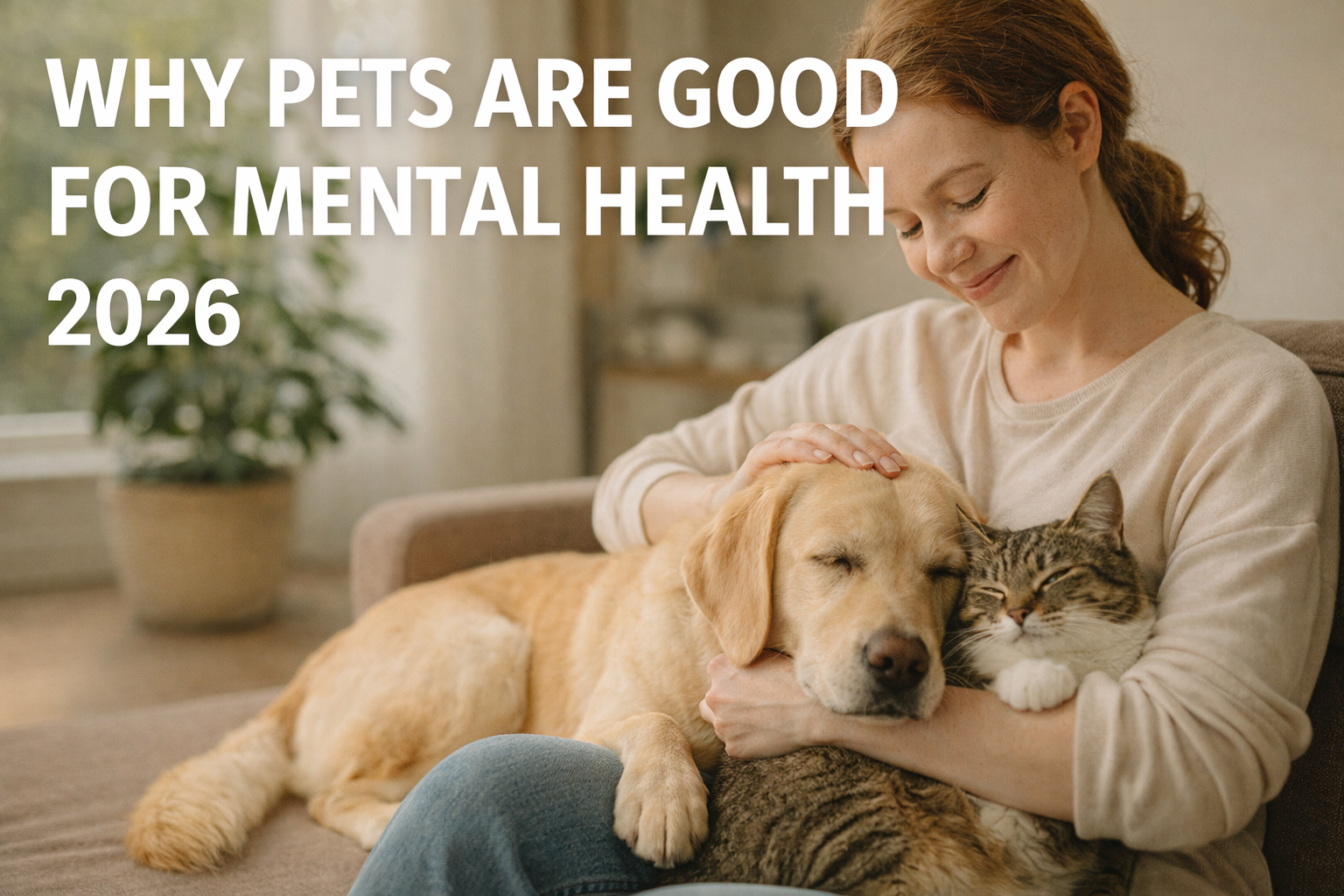
Emotional Benefits of Keeping Pets at Home
Studies and real-world experience show that pets:
- Reduce stress
- Improve routine
- Provide emotional support
- Reduce loneliness
- Encourage responsibility
In 2026, pets are considered emotional family members, not just animals.
Responsibilities Every Home Pet Owner Must Accept
Before choosing any pet, understand that every pet needs:
- Daily care
- Clean environment
- Proper nutrition
- Medical attention when needed
- Emotional comfort
- Safety
Ignoring these leads to suffering and abandonment.
Final Recommendation
The best pets for home in 2026 are those that fit your lifestyle, not your wishes alone. Cats, fish, and calm dogs remain top choices because they adapt well to modern homes. Smaller pets are excellent for beginners, while dogs suit active families with time and space.
Choosing the right pet creates happiness for both the animal and the family.
| Pet | Why It Fits Homes | 2026 Demand |
|---|---|---|
| Cats | Indoor-friendly, low noise | Very High |
| Dogs | Strong emotional bond | High |
| Fish | Peaceful, low maintenance | High |
| Birds | Social and engaging | Medium |
| Rabbits | Quiet and gentle | Medium |
In 2026, responsible pet ownership means choosing wisely, caring deeply, and committing fully. When the right pet enters the right home, the bond becomes lifelong. Understanding what pets are best for home helps families make decisions that bring joy, balance, and emotional comfort for years to come.
More Articles You May Like