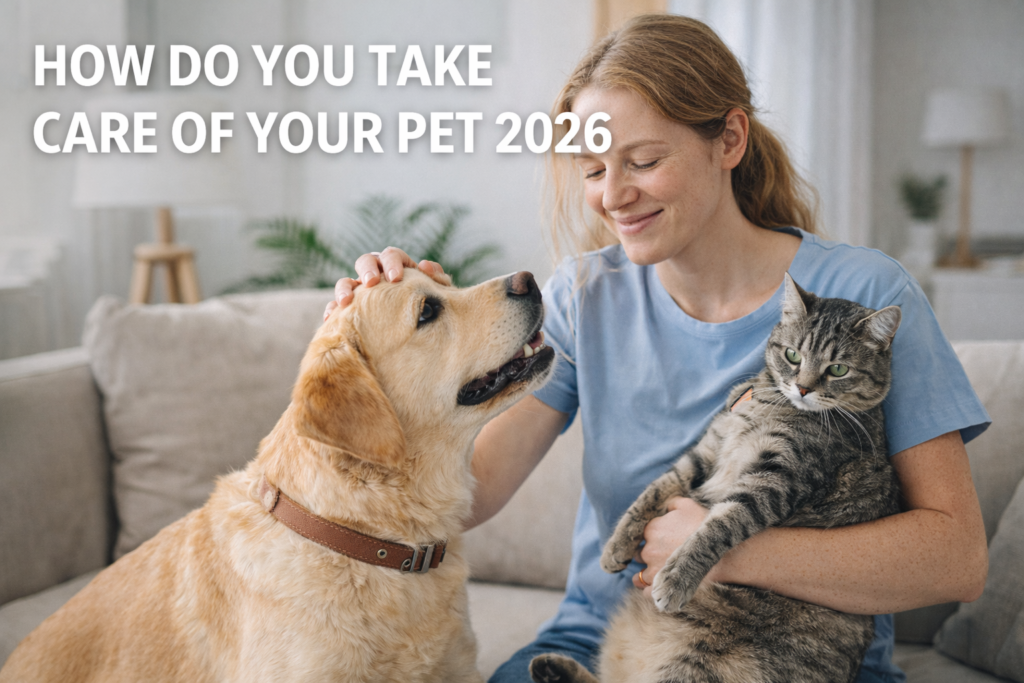
Many people ask how do you take care of your pet because they want their animals to stay healthy, happy, and safe at home. In 2026, pets are part of family life, and good care is not about expensive products. It is about daily habits, attention, and responsibility.
This guide explains, in simple words, how you can take care of your pets at home, whether you have a dog, cat, rabbit, or any small companion.
Table of Contents
What Does Pet Care Really Mean?
Taking care of a pet means:
- Providing food and clean water
- Keeping the pet clean and comfortable
- Watching for signs of illness
- Giving time, love, and attention
- Making the home safe for the pet
Pet care is not a single action. It is a daily routine that builds health and trust over time.
Quick Overview: Basic Pet Care at Home
This table gives a clear view of what every pet needs, no matter the type.
| Care Area | What to Do | Why It Matters |
|---|---|---|
| Food & water | Give fresh meals and clean water daily | Supports growth and energy |
| Clean space | Keep bedding and area clean | Prevents infections |
| Exercise | Allow daily movement and play | Keeps body strong |
| Health checks | Watch appetite, behavior, coat | Find problems early |
| Love & time | Spend time every day | Builds trust and calm behavior |
How Do You Take Care of Your Pets at Home Every Day?
Daily care is the base of good pet health.
Feed on Time
Give food at regular times. Do not overfeed. Use food suitable for your pet’s age and type.
Provide Clean Water
Fresh water should always be available. Change it at least once a day.
Keep the Living Area Clean
Clean the sleeping space, cages, or litter areas often. A clean space keeps pets comfortable and reduces disease risk.
Observe Your Pet
Look at:
- Eating habits
- Energy level
- Coat or fur condition
- Normal behavior
Small changes often show early signs of problems.
How Do You Take Care of Your Pet Dog?
Dogs need attention, activity, and structure.
For dogs:
- Take them for regular walks
- Allow safe play time
- Brush their coat as needed
- Keep ears and paws clean
- Teach simple commands
Dogs feel safe when they have a routine and human interaction every day.
How Do You Take Care of Your Pet Rabbit?
Rabbits are gentle and quiet but need special care.
For rabbits:
- Provide hay and fresh greens
- Keep a dry, clean cage or area
- Allow time outside the cage safely
- Handle gently
- Protect from loud noise and heat
Rabbits need calm surroundings and patience.
How Do You Take Care of Your Pet at Home When You Are Busy?
If you have a busy schedule:
- Fix feeding times and stick to them
- Prepare food in advance
- Use safe toys for mental activity
- Ask a family member to check in
- Never leave pets alone for long without care
Even short daily attention makes a big difference.
Cleanliness and Grooming: Simple But Important
Pets stay healthier when they are clean.
Basic grooming includes:
- Brushing fur
- Cleaning ears (when needed)
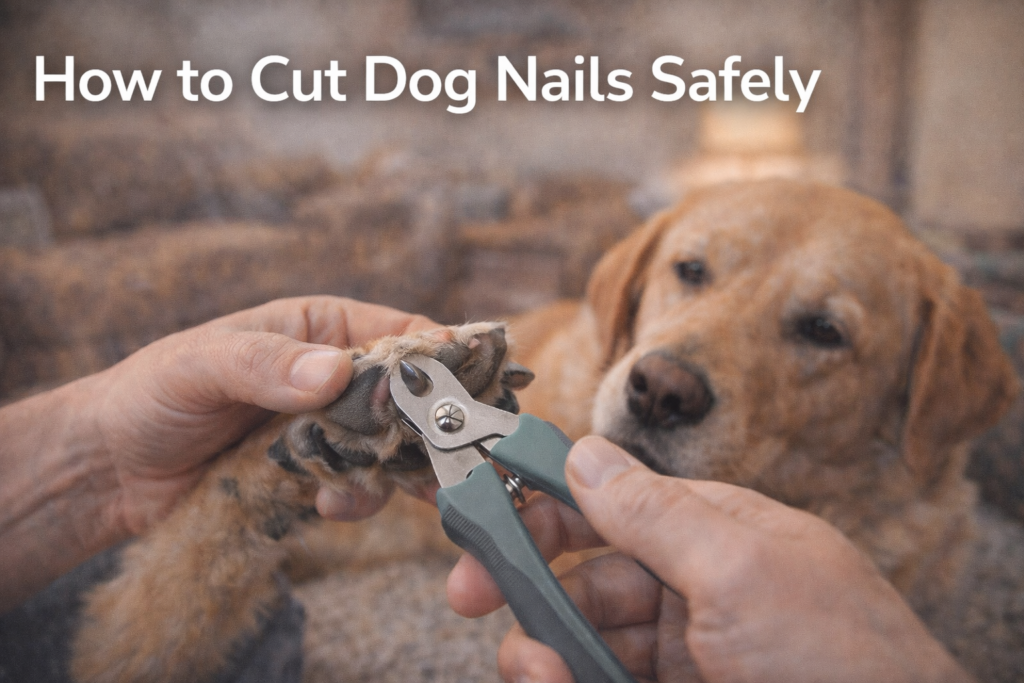
- Trimming nails carefully
- Bathing only when necessary
Do not over-bathe, especially small pets. Cleanliness should be gentle, not stressful.
Practical Pet Care by Pet Type
This table helps compare care needs simply.
| Pet Type | Main Care Focus | Daily Need |
|---|---|---|
| Dog | Exercise and interaction | Walks and play |
| Cat | Clean space and comfort | Quiet time and feeding |
| Rabbit | Gentle handling and diet | Hay, greens, clean cage |
| Bird | Clean cage and stimulation | Fresh food and talk |
| Fish | Clean water | Tank care and feeding |
Health Care: When to Be Alert
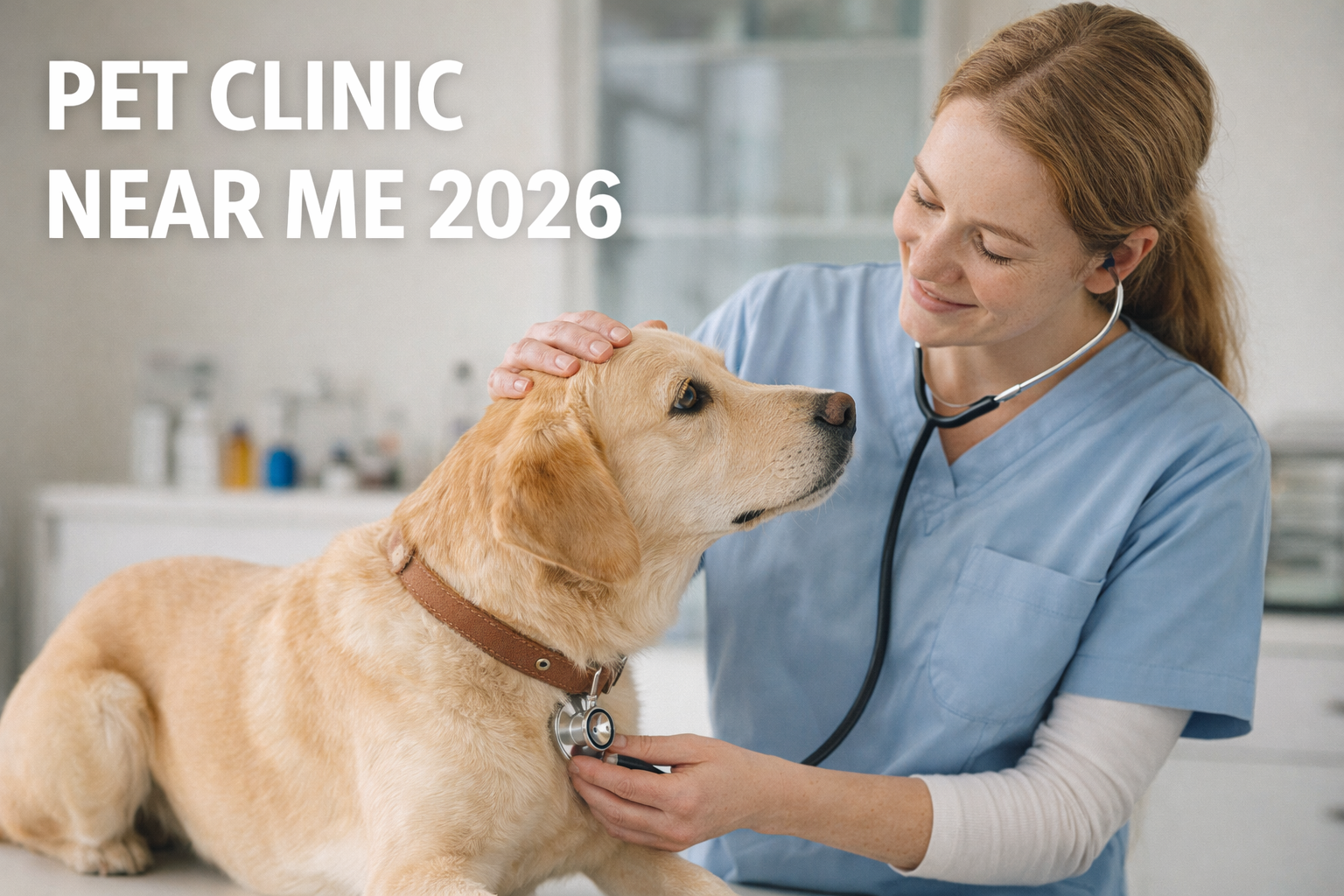
Take your pet for regular health checks if possible. At home, be alert if you see:
- Loss of appetite
- Vomiting or diarrhea
- Lethargy
- Swelling or wounds
- Sudden behavior change
Early care is always safer than waiting.
Make Your Home Safe for Pets
Pet-proof your home:
- Keep wires out of reach
- Store chemicals safely
- Avoid toxic plants
- Close small gaps and holes
- Keep small objects away
A safe home prevents accidents.
Emotional Care Is as Important as Physical Care
Pets need:
- Gentle touch
- Calm voice
- Time with owners
- Respect for their space
This emotional care builds trust and reduces stress.
Common Mistakes in Pet Care
Many owners make these mistakes:
- Overfeeding
- Ignoring small symptoms
- Skipping cleaning
- Using human medicine
- Not giving enough time
Avoiding these keeps pets healthier.
Teaching Children How to Care for Pets
Children can help with:
- Filling water bowls
- Gentle play
- Cleaning small areas
This teaches responsibility and kindness.
When You Travel: Who Takes Care of Your Pet?
Before travel:
- Ask a trusted person to help
- Give clear instructions
- Leave contact details
- Prepare food in advance
Never leave pets alone without proper care.
Long-Term Responsibility of Pet Care
Remember:
- Pets live many years
- Their needs change with age
- Care continues even when busy
Taking a pet means accepting long-term responsibility.
If you wonder how do you take care of your pet, the answer is simple:
Give daily care, keep a clean and safe home, watch their health, and spend time with them.
In 2026, good pet care is not about doing more. It is about doing the basics every day with consistency and love.
That is what keeps pets healthy and happy at home.
More Articles You May Like