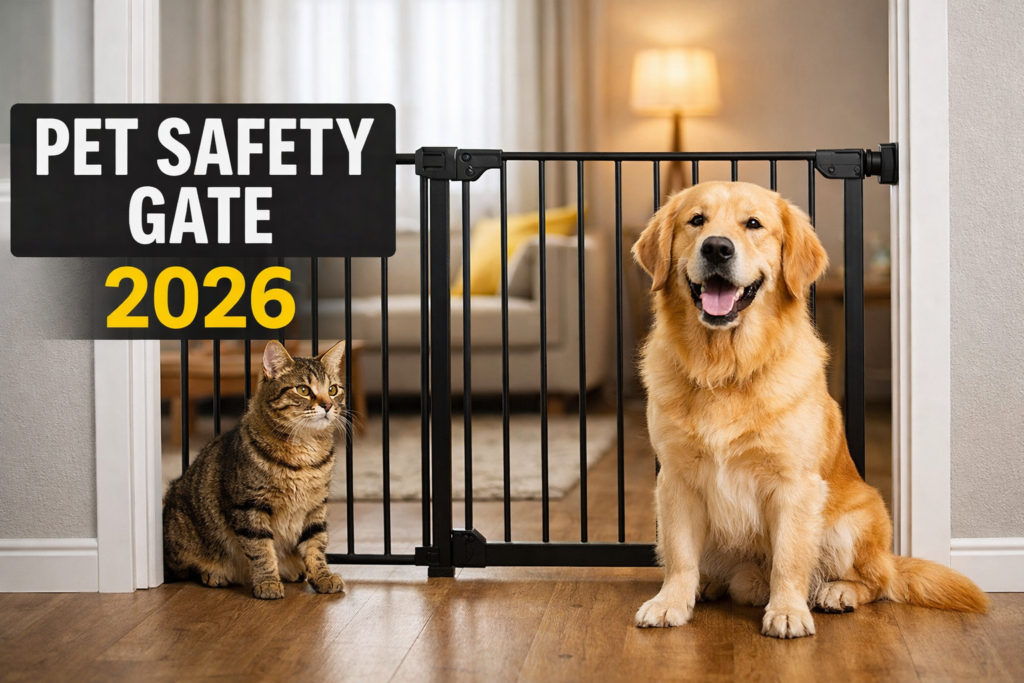
A pet safety gate has become one of the most practical home safety tools in 2026 for families living with dogs, cats, and other indoor pets. Modern homes are more open than ever, with staircases, balconies, modular kitchens, glass doors, and smooth flooring. While these designs look good, they introduce hidden risks for pets of all ages. A properly chosen pet safety gate helps create safe boundaries without making pets feel trapped or stressed.
This guide explains everything in detail—from why pet safety gates matter, to how they work, where they should be placed, how to choose the right type, and what families should realistically expect after installing one. The aim is clarity, not confusion, so every section is explained in simple, practical terms.
Table of Contents
Why Pet Safety Gates Are Important in 2026
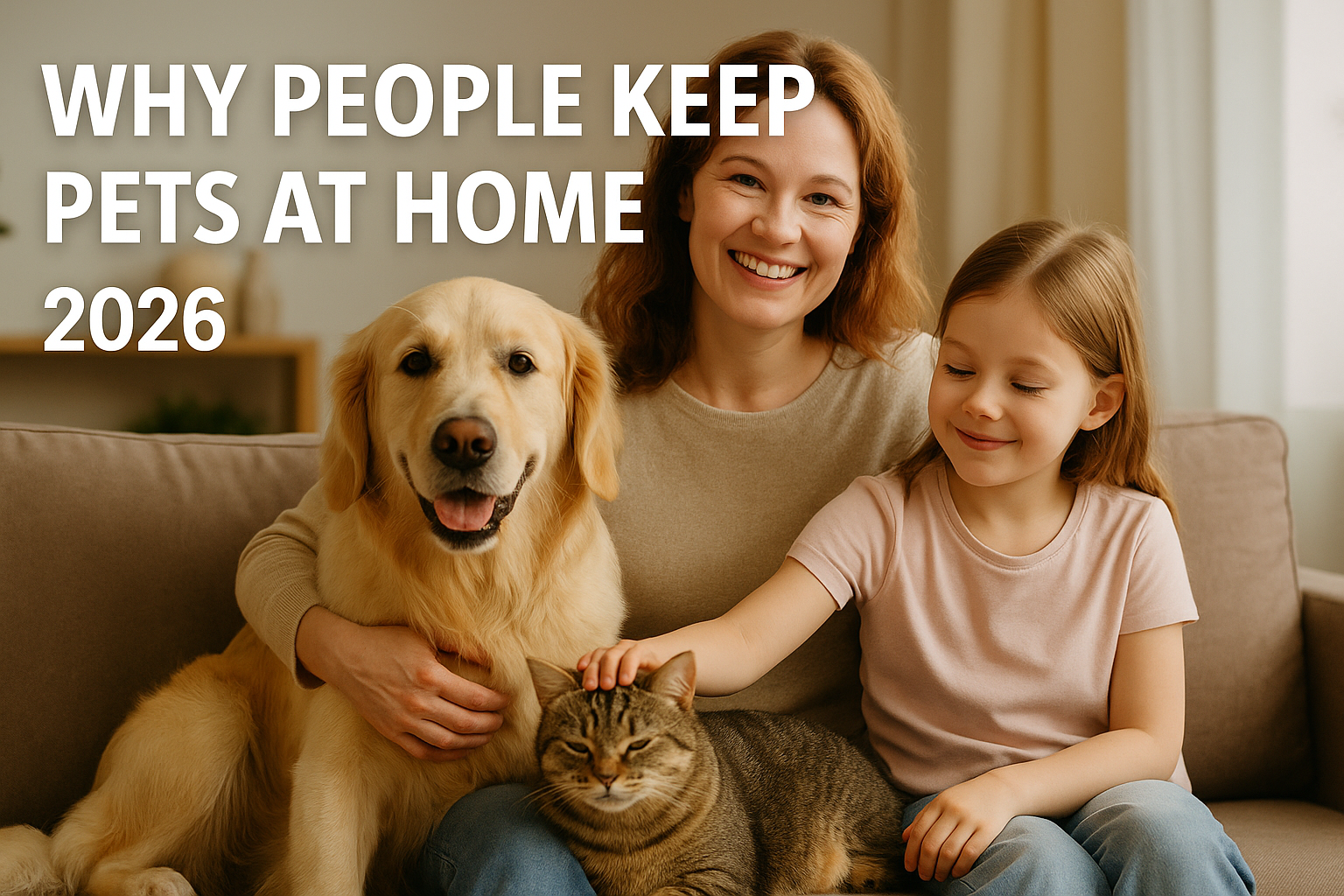
Pet lifestyles have changed. Pets now live indoors as family members, not outdoors as guards or animals with limited access. With this shift, safety concerns have increased.
Homes today commonly include:
- Open staircases without side walls
- Slippery tile or marble floors
- Open kitchens with hot surfaces
- Balconies with railings
- Work-from-home setups with cables and electronics
Pets do not naturally understand danger zones. A pet safety gate creates a visible and physical boundary that helps pets learn where they can and cannot go.
Key reasons families use pet safety gates:
- Prevent falls from stairs
- Stop pets from entering kitchens during cooking
- Keep pets away from balconies and terraces
- Create quiet zones during guests or festivals
- Help injured or senior pets rest safely
Understanding Risks Inside a Typical Hom
Many pet accidents happen inside the home, not outdoors. Common risks include:
Staircase Accidents
Young pets often jump or run on stairs without control. Senior pets may slip due to weak joints.
Kitchen Hazards
Hot oil, knives, cleaning liquids, and food waste can harm pets.
Balcony and Doorway Risks
Pets may jump, squeeze through gaps, or escape when doors are open.
Electrical and Household Items
Cables, chargers, small objects, and medicines are often accessible at floor level.
A pet safety gate helps reduce these risks by controlling access.
How Pets React to Safety Gates
One common worry is whether pets feel stressed or unhappy behind a gate. In most cases, pets adjust quickly.
Typical adaptation timeline:
- Day 1–2: Curiosity, mild resistance
- Day 3–5: Understanding boundaries
- Day 6–7: Acceptance and routine
Pets feel more comfortable when:
- They can see family members
- The gate is not cage-like
- The gate is used consistently
Types of Pet Safety Gates Explained Clearly
Pressure-Mounted Gates
These gates stay in place using adjustable pressure knobs.
Best for:
- Doorways
- Hallways
- Rental homes
Advantages:
- No drilling required
- Easy installation
- Easy removal
Limitations:
- Not ideal for stair tops
- May loosen over time
Hardware-Mounted Gates
These gates are fixed using screws and wall brackets.
Best for:
- Staircases
- Permanent safety areas
Advantages:
- Strong and stable
- Suitable for large or active pets
Limitations:
- Requires drilling
- Semi-permanent
Foldable or Expandable Gates
Designed for flexible layouts.
Best for:
- Wide spaces
- Temporary setups
Advantages:
- Easy storage
- Adjustable coverage
Limitations:
- Less strong than fixed gates
Mesh or Fabric Gates
Lightweight and soft.
Best for:
- Small pets
- Calm pets
Advantages:
- Portable
- Lightweight
Limitations:
- Not suitable for chewers or jumpers
Pet Safety Gate 2026 – Quick Overview Table
| Gate Feature | Purpose |
|---|---|
| Adjustable Width | Fits different door and stair sizes |
| Gate Height | Prevents jumping or climbing |
| Lock System | Stops pets from opening the gate |
| Material | Determines strength and durability |
| Visibility | Reduces anxiety and stress |
Choosing the Right Gate Based on Your Pet
Based on Pet Size
- Small pets → lower metal or mesh gates
- Medium pets → standard pressure-mounted gates
- Large pets → tall, hardware-mounted gates
Based on Behavior
- Jumpers → tall gates
- Chewers → metal or hard plastic
- Anxious pets → open-design gates
Based on Age
- Puppies/kittens → narrow gap gates
- Adult pets → standard gates
- Senior pets → easy-open, stable gates
Choosing Based on Home Layout
Apartments
Pressure-mounted gates are usually sufficient.
Independent Houses
Hardware-mounted gates provide long-term safety.
Duplex or Villas
Stair gates are essential at both top and bottom.
Best Places to Install a Pet Safety Gate
- Top of staircases
- Bottom of staircases
- Kitchen entrances
- Balcony access points
- Main entry doors
- Storage and utility rooms
Correct placement reduces accidents without limiting freedom.
Installation Tips That Matter
- Measure width correctly before installation
- Ensure there are no bottom gaps
- Tighten fittings weekly
- Avoid sharp edges
- Never stack objects near the gate
Living With a Safety Gate: Real Household Experience
Families who use pet safety gates consistently report:
- Fewer accidents
- Less shouting or chasing pets
- Better daily routines
- Reduced stress during guests or festivals
Pets feel more secure when boundaries are predictable.
What a Pet Safety Gate Cannot Replace
A safety gate is helpful, but it is not a complete solution.
It cannot:
- Replace training
- Cure anxiety by itself
- Replace supervision
It works best as part of a calm routine.
Cleaning and Maintenance
- Clean weekly to remove fur
- Check locks regularly
- Replace damaged parts early
- Avoid hanging items on gates
Decision Micro-Table: Is a Safety Gate Right for You?
| Situation | Decision |
|---|---|
| Puppy or kitten at home | Recommended |
| Senior or injured pet | Highly recommended |
| Calm adult pet | Optional |
| Frequent guests or festivals | Recommended |
| Outdoor-only pets | Not required |
Pros and Cons After Practical Evaluation
Pros
- Reduces home accidents
- Improves safety for pets and family
- Easy daily management
- Supports training
Cons
- Needs correct sizing
- Initial adjustment period
- Not suitable for every layout
A pet safety gate 2026 is a simple yet powerful safety tool for modern homes where pets are treated as family. When chosen thoughtfully and used consistently, it protects pets from everyday risks while maintaining comfort and freedom. For families seeking calm, safety, and structure, a well-placed safety gate is a practical long-term decision.
More Articles You May Like